
Introduction
Ethanol fuel has become a common part of modern petrol in many countries. Supporters say it helps reduce dependence on pure fossil fuel and can support cleaner energy goals. But for many vehicle owners, especially those with older cars, bikes, small engines, or equipment that sits unused for long periods, ethanol-blended fuel has become a real headache.
That is why so many owners dislike it. Their complaints are not random or emotional. In many cases, they come from real-world experience with mileage loss, engine wear, corrosion, hard starts, and repair costs.
1. What Is Ethanol Fuel
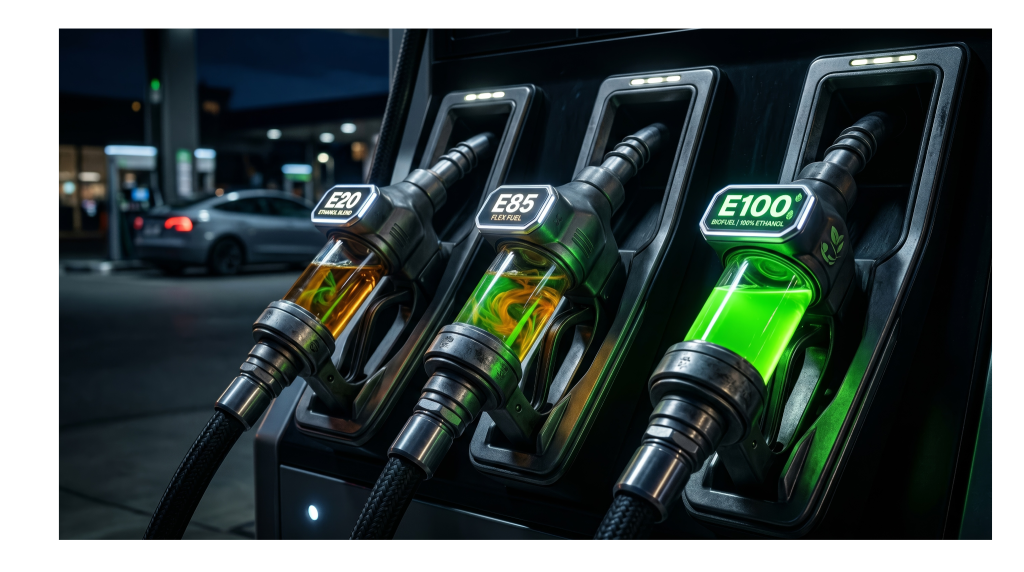
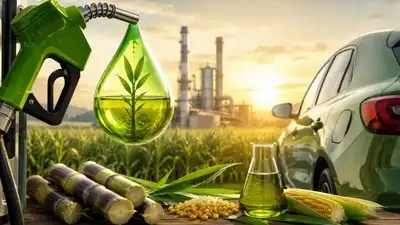
Ethanol is a type of alcohol made from plant-based sources such as corn, sugarcane, or other crops. It is blended with petrol to create fuel mixtures like E10, E15, or E20, which means the fuel contains 10%, 15%, or 20% ethanol.
The idea behind adding ethanol is to create a fuel that burns differently and reduces the use of straight petrol. In theory, it sounds practical. In practice, however, the outcome depends a lot on the age of the vehicle, the type of engine, and how the fuel is used and stored.
2. Why Ethanol Fuel Was Added
Governments and fuel companies promoted ethanol blends for several reasons. One major reason is energy policy. Blended fuel can reduce the pressure on imported oil and support domestic agriculture. Another reason is environmental, since ethanol is often presented as a cleaner alternative in certain contexts
For many drivers, though, the policy side of ethanol does not matter as much as what happens inside their own vehicles. If a fuel blend causes reduced mileage or maintenance problems, the theoretical benefits quickly become less important to the owner paying the bill.
3. Why Some Owners Hate Ethanol Fuel
The biggest reason owners dislike ethanol fuel is simple: it can change how a vehicle performs. Many people notice lower mileage, rough running, or fuel system issues soon after switching to ethanol-blended petrol. Others experience problems only after longer use, such as clogged injectors, corroded parts, or damage to rubber components.
Owners of older vehicles tend to complain the most. That is because many older engines and fuel systems were not designed with higher ethanol blends in mind. Even if a car can technically run on the fuel, it may not run as smoothly or as efficiently as it did before.
4. Lower Mileage and Reduced Energy
One of the most common complaints is reduced mileage. Ethanol contains less energy than petrol, so the engine may need to burn more fuel to produce the same amount of power. For drivers, that means more frequent trips to the fuel station and higher running cost per kilometer.
This issue becomes especially frustrating when fuel prices are already high. If a driver feels they are paying the same amount for fuel but getting less distance out of it, they naturally blame the ethanol blend. Even a small drop in mileage can feel significant over time, especially for people who drive daily for work or family travel.
5. Problems in Older Engines and Fuel Systems
Older engines often struggle more with ethanol fuel than newer ones. Many vehicles made years ago were not built with ethanol-resistant materials throughout the fuel system. Rubber hoses, seals, gaskets, and some metal parts may react poorly over time.
This can lead to leaks, rough idling, starting trouble, and in some cases more expensive mechanical repairs. Owners of classic cars, vintage motorcycles, boats, and small generators often feel this pain most deeply because those machines are usually not designed for modern blended fuel.
Even when the damage is not immediate, repeated exposure can slowly wear out parts. That creates a sense of distrust among owners who feel the fuel is quietly harming their vehicle.
6. Moisture Absorption and Corrosion
Another major complaint is that ethanol attracts moisture from the air. This is one of the most disliked traits of ethanol fuel. When water enters the fuel system, it can lead to rust, corrosion, and poor combustion.
For vehicles that are stored for a long time, this can be a serious issue. Moisture buildup can damage fuel tanks, injectors, and lines. In the worst cases, fuel becomes degraded and less reliable to use. Owners often notice hard starts, uneven engine performance, or fuel system contamination after the vehicle has been sitting unused.
This problem is especially annoying in areas with humidity, seasonal rain, or long storage periods. People who only use their vehicle occasionally often feel ethanol fuel is a bigger risk than a benefit.
7. Storage Issues and Seasonal Use
Ethanol-blended fuel does not always age as well as regular petrol in storage. That matters for lawn mowers, farm equipment, backup generators, boats, and recreational vehicles that may sit idle for weeks or months.
When fuel sits too long, it can separate, absorb water, or lose performance. This creates starting trouble and sometimes damages fuel system components. Owners who rely on seasonal equipment often become frustrated because the fuel they bought months ago may no longer work properly when needed.
For these users, ethanol fuel feels inconvenient and expensive. A fuel that causes storage trouble forces people to buy additives, drain tanks, or service engines more often.
8. Maintenance Costs and Repair Frustration
Even if ethanol fuel does not immediately break an engine, it can still increase maintenance needs. More frequent filter changes, fuel system cleaning, injector issues, and corrosion-related repairs can all add to ownership costs.
That is one reason some owners hate ethanol fuel so strongly. They do not just notice a performance difference; they notice a pattern of small problems that keep returning. What starts as a slight mileage drop can turn into repeated workshop visits and unexpected expenses.
To a vehicle owner, the issue is not just chemistry. It is the feeling that the fuel is making a reliable machine less reliable.
9. Is Ethanol Fuel Always Bad?
No, ethanol fuel is not always bad. Newer vehicles are often better suited to ethanol blends, and many engines can use them without major issues. In some cases, the fuel may even offer policy or environmental advantages depending on the system it is used in.
The problem is that ethanol fuel does not affect every owner in the same way. Drivers with newer, compatible vehicles may barely notice any difference. But owners with older engines, low-use equipment, or fuel systems that are sensitive to moisture and corrosion often have a very different experience.
That is why the debate continues. For some, ethanol fuel is just part of modern motoring. For others, it is a recurring source of reduced performance and added cost.
Conclusion
Some owners hate ethanol fuel because their experience has taught them to. Lower mileage, moisture absorption, corrosion, storage problems, and engine wear are not abstract complaints — they are practical issues that affect daily use and repair bills.
The debate over ethanol is unlikely to disappear anytime soon. As fuel standards evolve, the real challenge will be balancing policy goals with the needs of everyday vehicle owners. Until then, the dislike many owners feel toward ethanol fuel will remain rooted in one simple thing: experience.